
7 Common Problems with PVC Trim & How to Avoid Them (Expert Guide for 1×4, 1×2, 5/4 Boards)
When it comes to exterior home finishing, PVC trim boards have surged in popularity due to their low-maintenance appeal and resistance to rot and insects. However, despite their benefits, homeowners and contractors often encounter unexpected issues with PVC trim, PVC boards, and related products like 1×4 PVC trim, 1×2 PVC trim, 1/2 PVC trim board, and 5/4 PVC trim. In this guide, we’ll unpack the most common problems and provide actionable solutions to ensure your project stands the test of time.
1. Warping or Bending Over Time
❓Issue :
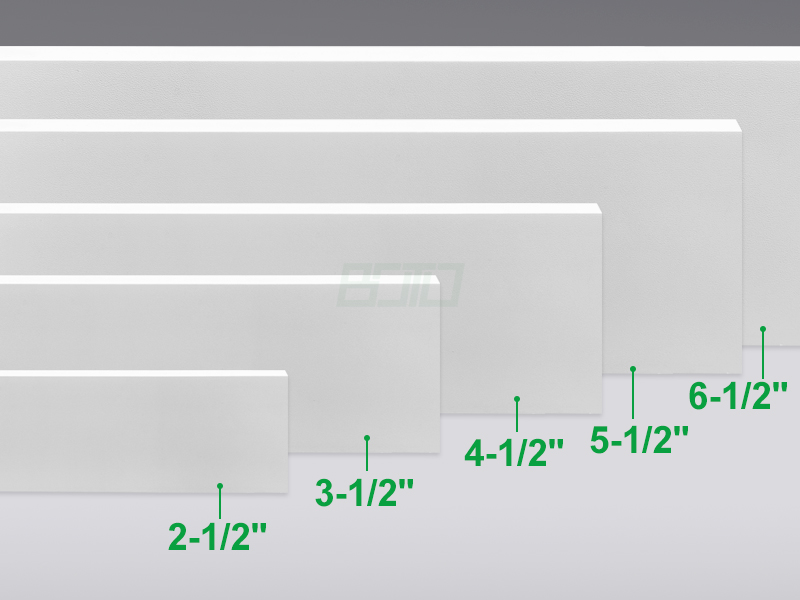
Thin PVC trim boards, such as 1×2 PVC trim or 1/2 PVC trim board, are prone to warping, especially in high-heat environments. The material’s rigidity can lead to curvature if not properly installed or stored.
🛠️ Solution :
Opt for thicker profiles like 5/4 PVC trim for structural stability.
Store boards horizontally in a shaded area before installation to prevent heat-induced warping.
Use stainless steel fasteners to avoid rust and ensure secure attachment.
2. Fading and Color Degradation
❓Issue :
UV exposure can cause PVC trim to fade, losing its original color and aesthetics over time. This is particularly noticeable in lighter shades.
🛠️ Solution :
Choose UV-resistant PVC boards with added pigment stabilizers.
Apply a non-yellowing outdoor sealant annually for extra protection.
For high-sunlight areas, consider darker tones like charcoal or forest green.
3. Mold and Mildew Growth
❓Issue :
Despite being mold-resistant, dirty or damp PVC trim boards (especially in humid climates) can develop stains or microbial growth.
🛠️ Solution :
Clean surfaces regularly with a mixture of water and vinegar or a specialized PVC cleaner.
Ensure proper drainage around your home to minimize moisture retention.
Avoid painting PVC trim, as coatings can trap moisture – stick to factory-finished colors.
4. Gaps and Squeaky Noises
❓Issue :
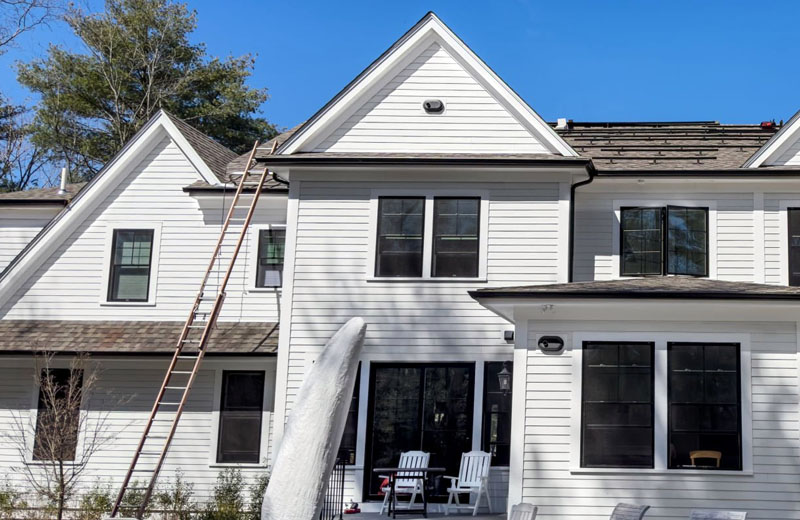
Poorly sealed joints in PVC trim installations can lead to gaps, allowing pests or drafts to enter and causing squeaking during temperature changes.
🛠️ Solution :
Use PVC cement or silicone sealant to fill gaps during installation.
Opt for 1×4 PVC trim for broader coverage to reduce joint frequency.
Pre-drill holes and use caulk to secure boards tightly to walls.
5. Brittleness and Cracking
❓Issue :
Low-quality PVC boards may become brittle in freezing temperatures, leading to cracks when bumped or during thermal expansion/contraction.
🛠️ Solution :
Invest in high-density PVC products labeled as “impact-resistant.”
Avoid over-tightening fasteners, which can stress the material.
Use 5/4 PVC trim for high-traffic areas like door frames for added durability.
6. Incompatibility with Paint
❓Issue :
Unlike wood, PVC trim cannot be painted without special primers, and DIY attempts often result in peeling or uneven finishes.
🛠️ Solution :
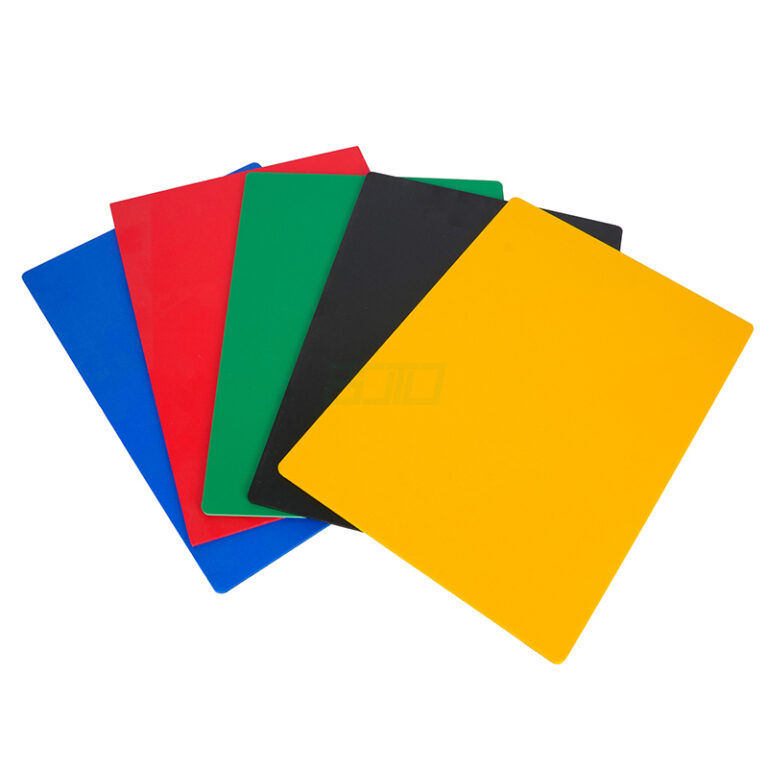
Select pre-colored PVC trim boards to eliminate painting needs.
If painting is necessary, use a high-quality exterior acrylic latex primer designed for plastics.
7. Cost vs. Longevity Trade-Offs
❓Issue :
While PVC trim is low-maintenance, cheaper options (e.g., thin 1×2 PVC trim) may degrade faster, negating their cost advantage.
🛠️ Solution :
Balance budget with quality – invest in mid-range PVC boards with a proven track record.
Calculate long-term savings from reduced repairs and upkeep.
Final Tips for Choosing the Right PVC Trim
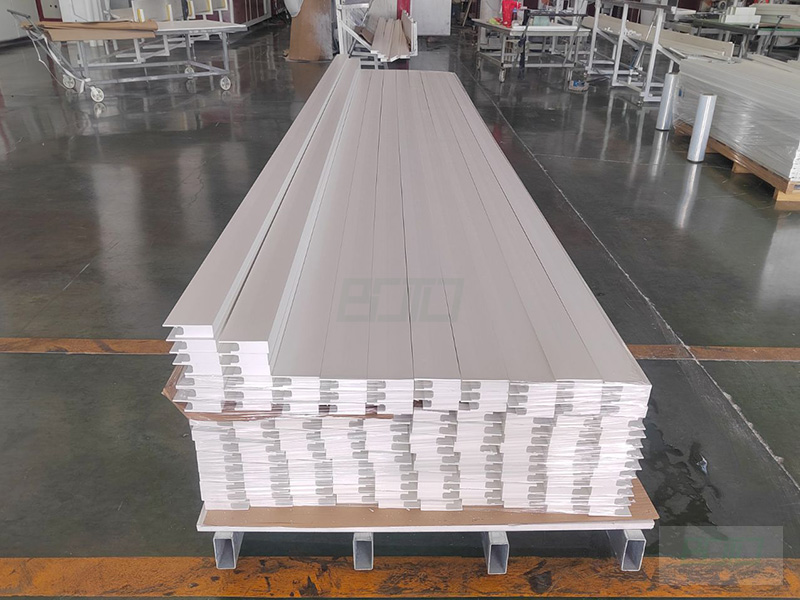
Match thickness to purpose: Use 1×4 PVC trim for eaves and siding; 1×2 PVC trim for window casings.
Check brand reputation – offer superior formulations.
Measure twice: Ensure precise cuts using a miter saw with a fine-tooth blade.
By addressing these common problems with PVC trim, you can enjoy a flawless, durable finish for your home’s exterior. Whether you’re working with 5/4 PVC trim or delicate 1/2 PVC trim board, proper selection and installation are key to avoiding pitfalls.