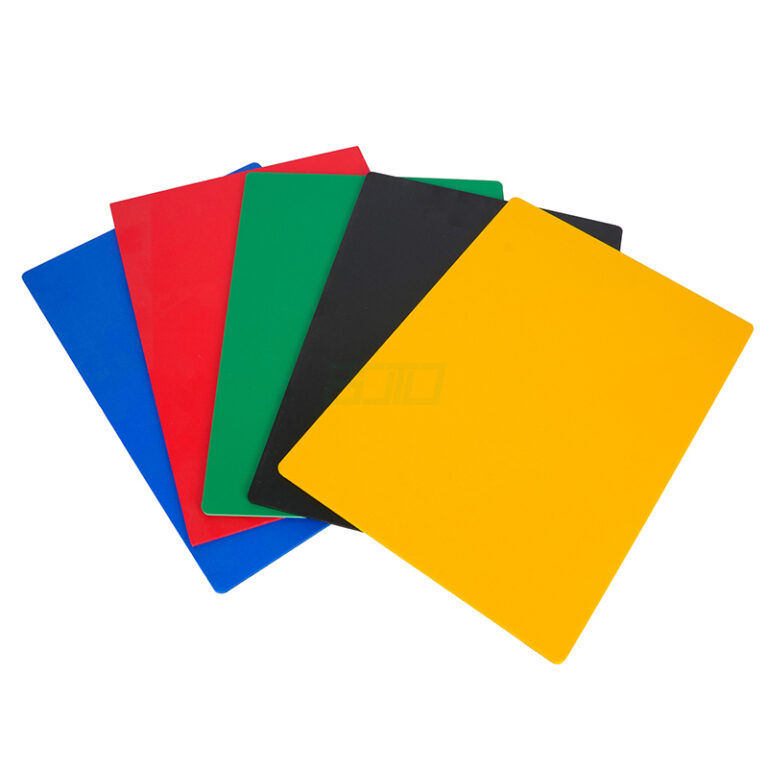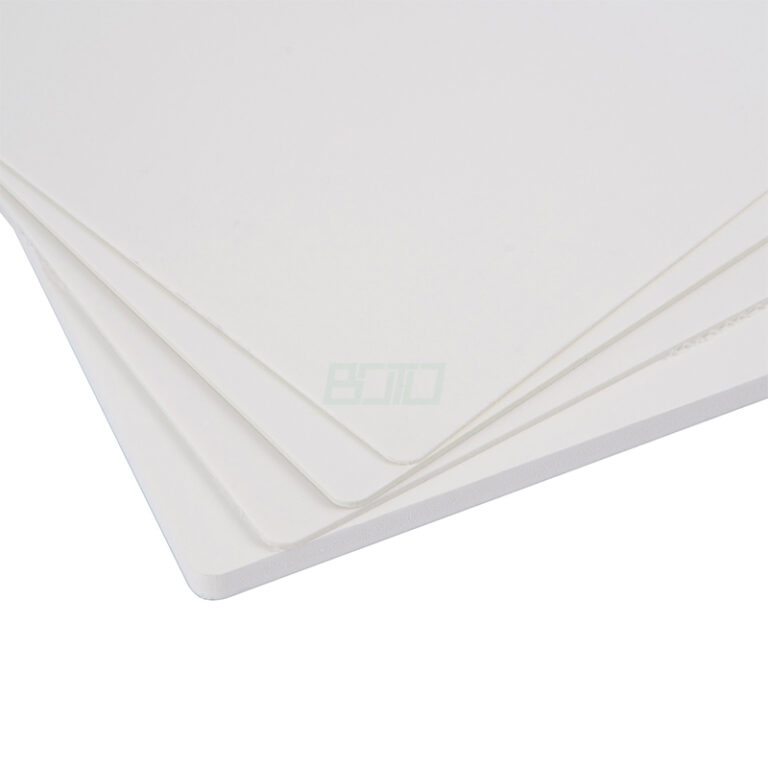

PVC foam board is gaining significant traction in global markets, driven by its versatility and performance across industries like aerospace, automotive, and construction. With the global PVC rigid foam market projected to grow from approximately $679 million in 2024 to $1.374 billion by 2031, representing a 10.6% CAGR, understanding regional dynamics in the U.S. and Europe is crucial for stakeholders. This article explores the latest trends, regulatory challenges, and strategic opportunities shaping these key markets.
1. Sustainable and Circular Economy Initiatives
Sustainability has evolved from a niche interest to a central business imperative in the foam industry. Europe is at the forefront of this shift, with both legislative pressure and consumer demand driving innovation.
Regulatory Pressure :
The European Commission’s plan to phase out single-use plastics is pushing manufacturers to develop sustainable alternatives. Additionally, the upcoming EU-wide ban on Bisphenol A (BPA) in food contact materials by 2028 is forcing a reformulation of material compositions, impacting certain plasticizers and additives used in the industry.
Material Innovation :
Companies are responding with groundbreaking products. For instance, Foamplant introduced Moorefoam®, claimed to be the world’s first fully circular, open-cell foam. Made from bio-polyester and possessing natural flame retardancy, it can be mechanically recycled without downcycling, potentially reducing CO2 emissions by 90% in its lifecycle.
Consumer-Driven Change :
The demand for sustainably sourced products is compelling manufacturers in furniture, bedding, and automotive sectors to seek out foam solutions that lower the overall carbon footprint of their products.
2. Market-Specific Challenges and Dynamics
The U.S. and European markets present distinct challenges, primarily influenced by trade policies and regional economic conditions.
United States : Tariffs and Economic Headwinds
The U.S. PVC market is facing a period of uncertainty and moderated growth in 2025.
1) Impact of Tariffs: The Trump administration’s tariff policies are creating a dual challenge. They increase production costs for domestic manufacturers reliant on imported raw materials and hinder export opportunities for finished PVC foam products by making them less competitive in global markets.
2) Sluggish Demand: The housing and construction sector, a key consumer of PVC products, is performing weakly. Coupled with broader economic, this has led to an expected domestic market growth of just 1% to 3% for 2025.
3) Supply Overhang: New PVC production capacity that came online in late 2024 has resulted in higher inventory levels, creating a supply-rich environment that further pressures prices and margins.
2)Europe : Structural Overcapacity and Consolidation
Europe’s PVC market is undergoing a necessary but painful structural adjustment.
1) Capacity Rationalization: Due to persistently low demand, intense global competition, and high regulatory costs, companies are being forced to optimize their manufacturing footprints. A prime example is Vynova Group’s decision to permanently close its 225,000-tonne-per-year PVC plant in the Netherlands in November 2025. This reflects a broader trend of structural oversupply in the region.
2) Weak Market Signals: The construction industry’s seasonal recovery has been weaker than anticipated, with experts predicting limited improvement in PVC demand for the remainder of the year.

3. Application-Specific Growth Areas
Despite broader market challenges, specific applications for PVC foam board continue to show robust growth potential.
Aerospace and Automotive :
PVC structural foams are prized for their strength-to-weight ratio, making them ideal for core materials in wind turbine blades, aerospace components, and modern transportation systems. The push for lighter, more fuel-efficient vehicles and aircraft continues to drive R&D in this segment.
Construction and Industrial Applications :
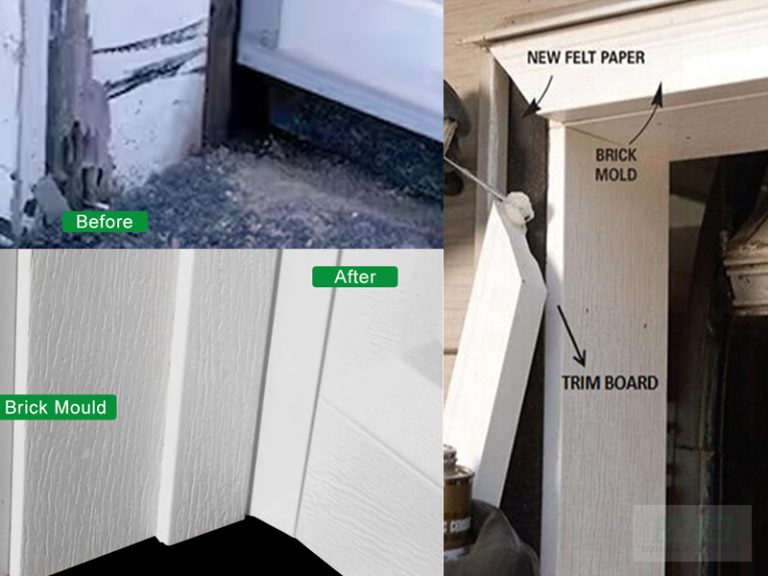
In construction, PVC foam boards are used in applications ranging from commercial roofing and cladding to interior fittings. New product developments focus on enhancing properties like load-bearing capacity and thermal insulation. The material’s durability and resistance to impact and weathering make it a preferred choice for demanding environments.

4. Key Industry Events and Future Outlook
Staying abreast of technological advancements and networking opportunities is vital for industry players.
Foam Expo Europe (November 2025) :
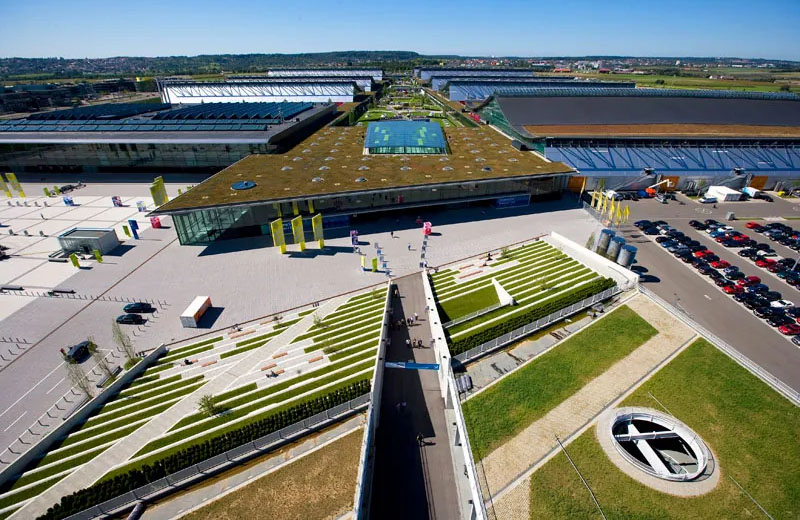
This event in Stuttgart, Germany, is Europe’s largest dedicated trade fair for foam technology. It serves as a critical platform for showcasing innovations like sustainable foams, raw materials, and manufacturing equipment.
K 2025 (October 2025) :
Held in Düsseldorf, Germany, this premier international trade fair for plastics and rubber is where companies like Exolon Group unveil new thermoplastic sheet solutions designed to meet future regulatory demands, such as the BPA ban.
Strategic Recommendations for Industry Players
Embrace Sustainability: Investing in circular, bio-based, and recyclable foam technologies is no longer optional. It is critical for complying with regulations and meeting the demands of downstream customers.
Diversify Geographically and by Application: To mitigate risks in saturated Western markets, explore growth in emerging regions and high-value niche applications like marine and advanced transportation.
Focus on Supply Chain Resilience: Build a more agile and resilient supply chain to navigate trade policy shifts and logistical disruptions, potentially by regionalizing production networks.
(Data sourced from the internet; please refer to international news for further details)