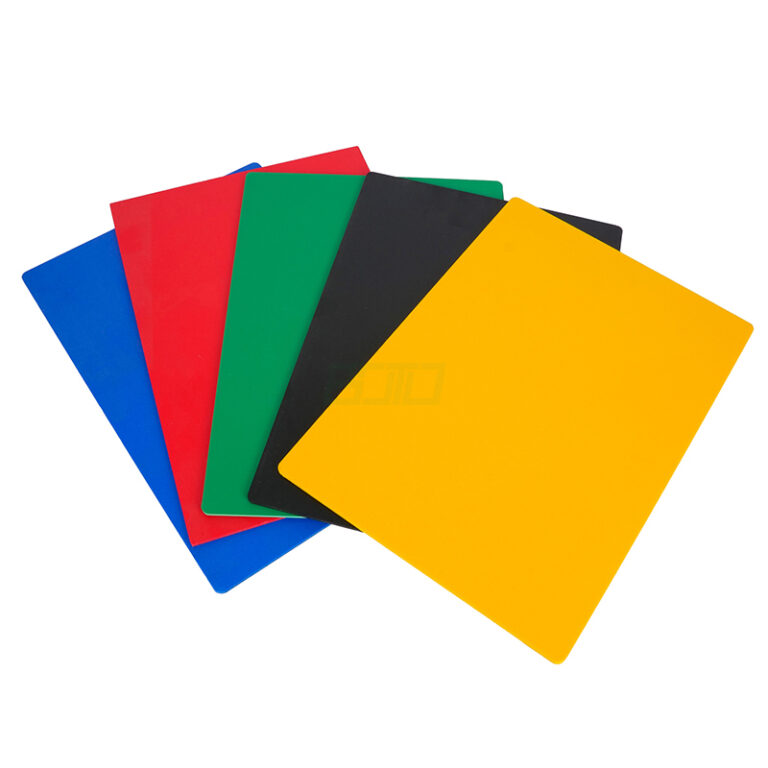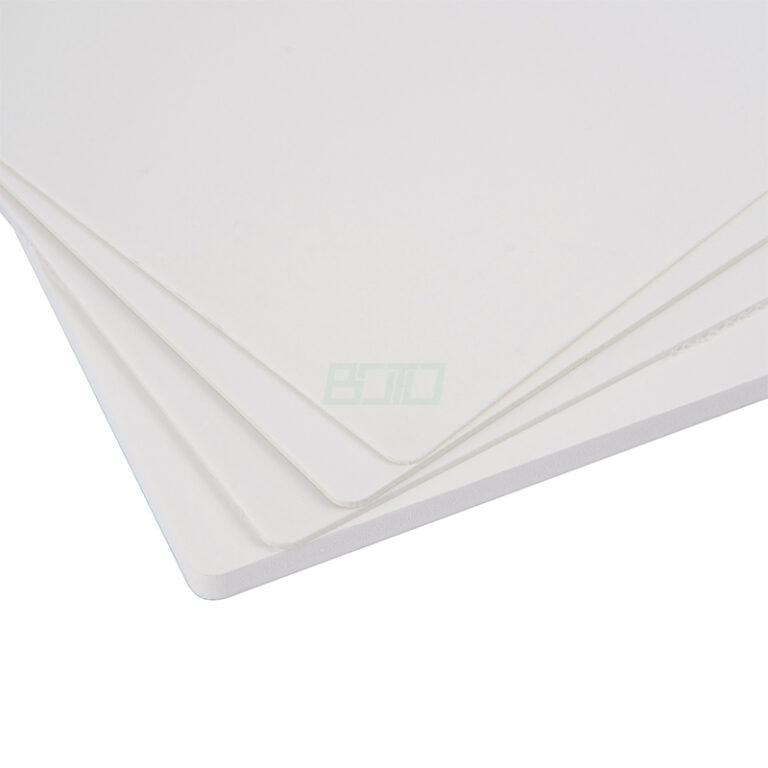

PVC sheets are widely used in signage, home improvement, DIY crafts, and industrial applications due to their versatility and durability. But one common question from homeowners and makers alike is: how do you cut PVC sheets cleanly and safely?
In this guide, we’ll walk you through the most effective tools for cutting PVC sheets, recommended techniques, and important safety tips — whether you’re working at home or in a workshop.
1. What Are PVC Sheets Made Of?
Before you start cutting, it helps to know the material. PVC (Polyvinyl Chloride) sheets come in various thicknesses and densities. They can be:
1)Rigid PVC sheets
Solid and strong, often used in construction or signage.
2)Foamed PVC sheets
Lightweight with an inner foam core, often used for displays or printing.
The cutting method may vary slightly depending on the sheet type and thickness.

2. What Tools Can Be Used to Cut PVC Sheets?
Here are the most commonly used tools based on sheet thickness and precision needs:
1)For Thin Sheets (under 2mm):
· Utility Knife (Box Cutter)
Ideal for scoring and snapping thin PVC sheets. Use a metal ruler as a guide for straight cuts.
2)For Medium Sheets (2mm–6mm):
· Fine-Tooth Hand Saw
A traditional option. Keep strokes smooth to avoid chipping.
· Jigsaw with Plastic Blade
Perfect for curved or complex cuts. Use low to medium speed to avoid melting the plastic.
3)For Thick Sheets (6mm+):
· Circular Saw with Carbide-Tipped Blade
Provides clean, straight cuts through thick PVC. Clamp the sheet firmly and cut slowly.
· Table Saw
Suitable for bulk or high-precision cutting. Use appropriate safety gear.

3. Step-by-Step: How to Cut PVC Sheets at Home
Whether you’re doing a simple DIY or custom-cutting for a larger project, follow these steps:
Step 1: Measure & Mark
Use a pencil or marker to draw the cut lines. A T-square helps for accuracy.
Step 2: Secure the Sheet
Clamp the PVC sheet to a stable surface to prevent shifting.
Step 3: Choose the Right Tool
Pick based on thickness and complexity of the cut.
Step 4: Cut Smoothly
Keep steady pressure; don’t rush. If using a power tool, let the blade do the work.
Step 5: Smooth the Edges
Use fine-grit sandpaper or a deburring tool to remove sharp edges.
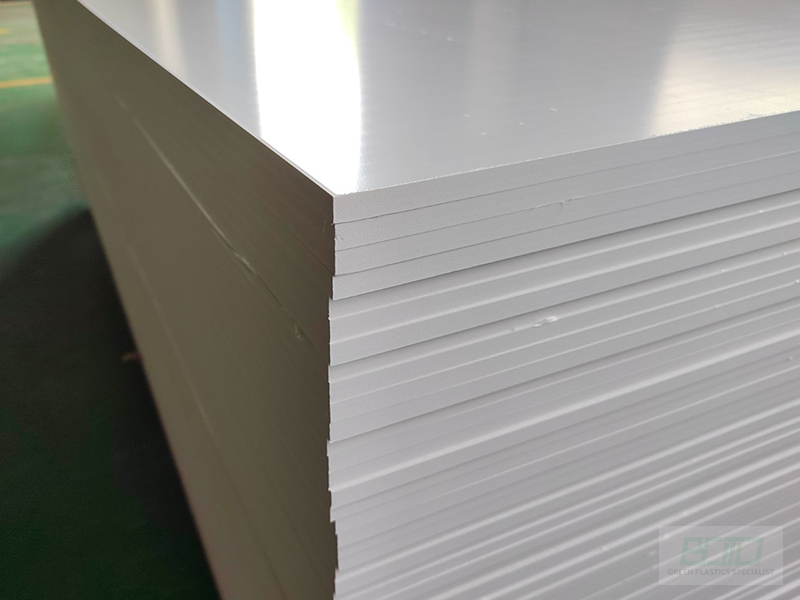
4. Safety Tips When Cutting PVC Sheets
Always wear safety goggles to protect your eyes from flying particles.
Use a dust mask if cutting many sheets to avoid inhaling PVC dust.
Keep fingers clear of blades, and use clamps instead of holding sheets by hand.
Cut in a well-ventilated area when using power tools to avoid fumes.
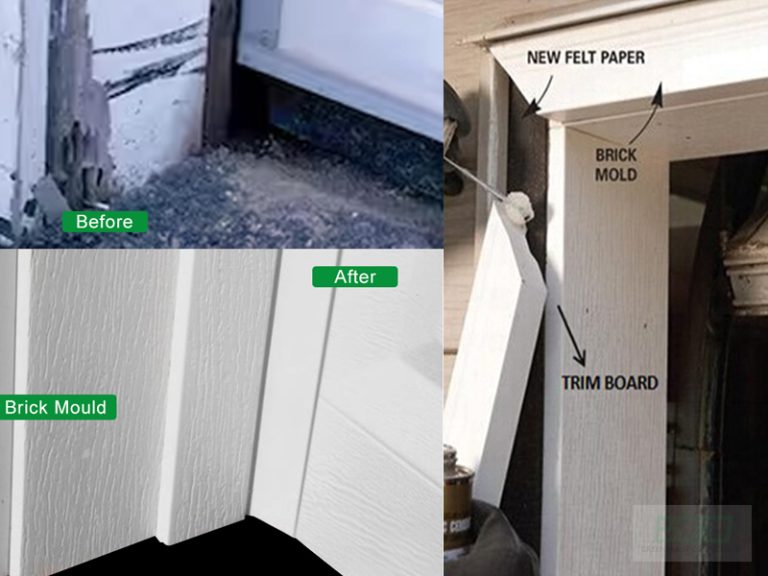
5. Common Applications for Cut PVC Sheets
Knowing how to cut PVC sheets opens up possibilities for many DIY and professional applications:
· Wall cladding and PVC shower wall panels
· Display boards and printable plastic sheets
· Shelves, signage, or garage panels
· Custom drawer dividers, tool holders, or craft templates
Conclusion
Cutting PVC sheets is simple once you understand the sheet type and choose the right tools. Whether using a sharp utility knife for thin materials or a jigsaw for curved shapes, clean and accurate cuts are achievable even for beginners.
By following the proper steps and safety precautions, you can confidently use PVC sheets in your next home or office project.